
In today’s digital-driven world, the significance of efficient and reliable IT systems cannot be overstated. They are crucial for organizations to not just survive, but to thrive. By staying updated with the latest advancements, organizations can unlock unprecedented levels of productivity, security, and innovation, positioning themselves for success in the digital era.
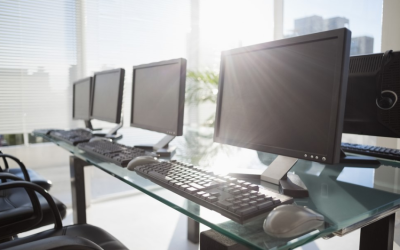
However, when confronted with the challenging decision of where to allocate their funds to ensure a streamlined operation, many businesses choose to postpone essential expenses such as investing in new servers or upgrading their outdated laptops. They are hesitant to upgrade old tech devices, and held on to outdated hardware, software, and peripherals for far too long.
Unfortunately, clinging to old IT devices can have detrimental effects on productivity, security, and the overall user experience. Research indicates that employees using outdated devices spend an average of 22 minutes each day waiting for their devices to respond or complete tasks. When you calculate the cumulative impact, it adds up to nearly 91 hours per year per employee, which is equivalent to more than two work weeks!
Let’s explore the compelling reasons you should update old tech devices to propel your organization forward and unleash its full potential.
It’s time to bid farewell to legacy devices and embrace the transformative power of modern technology.
5 Reasons to Upgrade Old Tech Devices
Unleash Enhanced Productivity
Outdated devices often suffer from slow performance, limited capabilities, and compatibility issues with modern software applications. These limitations can significantly hamper employee productivity and efficiency. Slow boot-up times, frequent crashes, and extended response times can frustrate employees and impede their ability to deliver optimal results.
By upgrading to newer devices, organizations can benefit from faster processing speeds, improved memory capacities, and enhanced software compatibility. These upgrades empower employees to work more efficiently, allowing them to complete tasks faster and with fewer interruptions, which ultimately translate into improved customer satisfaction, reduced costs, and a competitive edge in the market.
Strengthen Security
As technology advances, so do the threats associated with outdated devices. Cybercriminals continuously discover new vulnerabilities and exploit security loopholes present in older hardware and software. Manufacturers regularly release security patches and updates to protect against these threats, but such updates may not be available for older devices. If you don’t upgrade old tech in your drawer, you put your personal data and sensitive information at risk.
By upgrading devices, organizations can benefit from the latest security features, encryption protocols, and firmware updates. These advancements provide robust protection against evolving cyber threats, safeguarding sensitive data, and reducing the risk of costly breaches. Investing in updated devices also ensures compliance with data protection regulations and industry standards.
Future-Proofing and Innovation
Technology is continually evolving, and organizations must adapt to remain competitive. By embracing regular tech device upgrades, organisations position themselves to leverage emerging technologies and industry trends. Outdated devices limit the adoption of new software, tools, and platforms that could enhance operational efficiency and innovation.
When you upgrade old tech, it will offer compatibility with the latest software applications and emerging technologies, such as artificial intelligence, machine learning, and Internet of Things (IoT) devices. They provide organizations with the flexibility to explore new opportunities, automate processes, and gain a competitive edge in the marketplace.
Improved User Experience and Employee Satisfaction
Using outdated tech devices can be frustrating for employees. Slow performance, outdated software, and hardware limitations can contribute to a poor user experience. This dissatisfaction can lead to decreased morale, lower job satisfaction, and even higher employee turnover rates.
Upgrading devices improves the overall user experience, providing employees with efficient and user-friendly tools to carry out their tasks effectively. Enhanced user experience contributes to higher employee satisfaction, engagement, and retention.
Cost-Efficiency & Sustainability
While upgrading IT devices requires an initial investment, it often proves to be cost-effective in the long run. Outdated devices often require more frequent repairs, experience higher downtime, and demand additional IT support. These factors can lead to increased maintenance costs and productivity losses. Newer devices, on the other hand, are typically more energy-efficient, require fewer repairs, and have longer lifespans.
By upgrading, organizations can reduce operational costs, optimize energy consumption, and contribute to sustainability efforts by disposing of outdated devices responsibly through recycling or certified e-waste management programs.