What is Cloud Computing?
Cloud computing is the delivery of computing services via remote, powerful data centres - eliminating the capital investment in costly hardware and ongoing maintenance expenses. Now’s the time to consider moving to the cloud, with a wealth of cloud services and computing solutions available with cloud service providers – from hosted servers and file storage to networking, software, analytics and intelligence over the internet, you can boost performance, increase reliability and strengthen your IT security. Ready for cloud migration?

Cloud Migration
Cloud migration is commonly explained as the movement of digital assets and data from old and outdated infrastructure to the cloud. It is also referred to situations where data is being transferred to one cloud to a new cloud. The cloud, also known as cloud computing, refers to a whole host of cloud computing services accessed over the internet. With the cloud, businesses that once had to host and maintain huge on-site servers, can now store all they need to access in an off-site data center courtesy of secure cloud infrastructure services.
Hybrid Cloud Computing
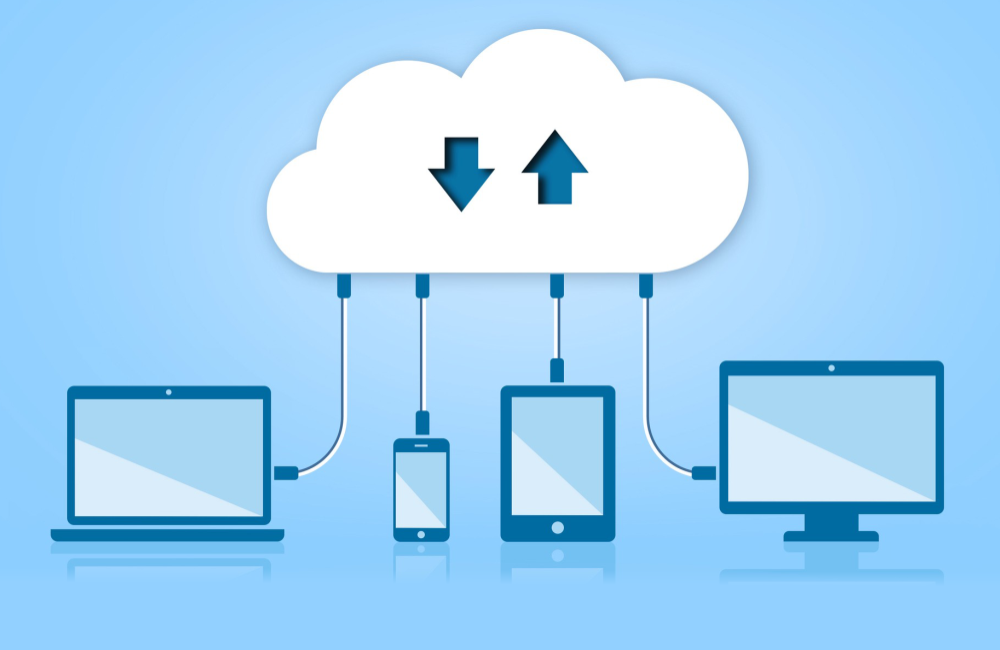
When demand for computing and data processing increases beyond the capabilities of an on-premises data centre, businesses can use the cloud to instantly scale up capacity to handle this increase. It allows businesses to avoid the time and cost of purchasing, installing and maintaining new hardware that you might not need in the long-term. Cloud-based data and services means instant access, from any device and from any location.
Enhanced Cloud Computing Security
Cloud security refers to the technologies, policies, controls and services that protect cloud infrastructure, applications and data from breaches and cyber threats. Cloud computing - and the sensitive data it stores - is protected by robust cloud back up services and cyber-security measures.

Benefits of Cloud Computing
Fully managed cloud hosting provides cost effective, server-less computing and enhanced cloud network security amongst a range of other benefits. Here’s a quick overview of the benefits of cloud computing.
Frequently asked questions
Here is a FAQ list that we hope will help you answer some of the more common cloud computing questions.
1. What does a hosted private cloud service mean?
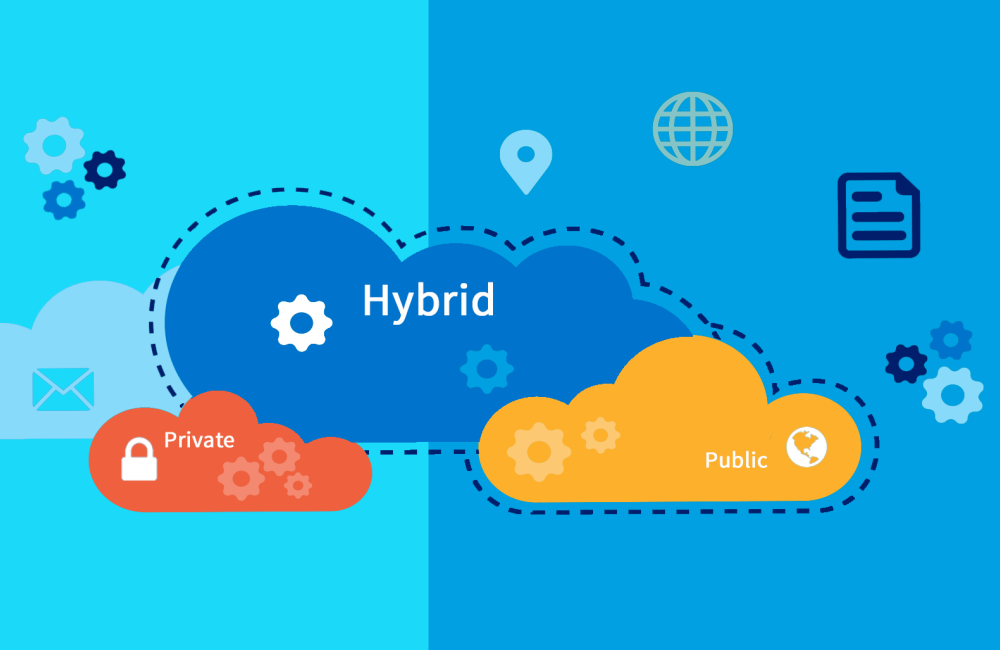
With private cloud, cloud resources are used and owned solely by one company, which makes this approach desirable by any organisation or sector seeking maximum control or customisation. The private cloud may be located in a data centre on-site or hosted by a provider in a remote location.
2. What are popular cloud services?
Cloud services and solutions can transform your business operations. Here are some of the most popular cloud services:
Hybrid cloud computing services
When demand for computing and data processing increases beyond the capabilities of an on-premises data centre, businesses can use the cloud to instantly scale up capacity to handle this increase.
Cloud cyber security
Cloud computing – and the sensitive data it stores – is protected by robust cyber-security measures. Plus, keeping data in the cloud rather than on your hard drive can prevent sensitive data being compromised if a device is stolen or misplaced.
Private cloud hosting
A VPS (virtual private server) is a multi-tenant cloud hosting solution, which virtualises server resources and makes these available over the internet via the cloud or a hosting provider.
Cloud based telephone services
Cloud hosted phone systems offer businesses of any scale the opportunity to manage calls from wherever you’re based. Using Voice over Internet Protocol (VoIP) technology, cloud phone systems are cost-effective, easy to set up, reliable and jam-packed with call management features.
3. What are the benefits of the cloud?
The benefits of cloud computing lie in its fully managed cloud hosting service, meaning its cost effective across any business, including small businesses. It is secure and provides set policies, technologies and controls that strengthen your overall security. Meaning your data, apps and infrastructure is protected at all costs from any cyber threats. Cloud services are regularly updated to ensure they remain fast, efficient and secure. This is essential for the reliability of the product which makes back up data, disaster recovery services earlier and more efficient.
4. What are the services of cloud computing?
Infrastructure as a service (IaaS) – provides users with access to raw computing resources such processing power, data storage capacity and networking.
Platform as a service (PaaS) – provides computing, storage infrastructure and a development platform layer with components such as web servers, database management systems and software developments kits.
Software as a service (SaaS) – offers application-level services tailored to a wide variety of business needs, such as customer relationship management, marketing automation and business analytics.
5. What is cloud computing?
Cloud computing is a technology that uses the internet for storing and managing data on remote servers, and then allows access to the data via the internet. An example of cloud computing is Microsoft SharePoint. SharePoint is a secure place to store, organise, share and access information on any device.
6. What is the purpose of cloud computing?
The cloud aims to store and backup data securely, cut costs and helps users focus on their business instead of being impeded by IT obstacles. Our business IT support team can setup a cloud server to host your files, providing the benefits of accessing them remotely from any location at any time.