Safeguarding Your Digital Assets
Security threats loom large over businesses of all sizes, evolving relentlessly to exploit vulnerabilities in your critical systems. These threats pose significant risks to your company’s reputation, information privacy, and overall security. Especially for small to medium businesses, which are increasingly becoming targets of cyberattacks, the need for vigilant and comprehensive managed security services is more pressing than ever.
Cybersecurity Training
Recognizing that your employees can be the weakest link or the strongest line of defense against cyber threats, we offers comprehensive cybersecurity training. Our tailored in-person training programs aim to elevate the knowledge and awareness within your business, effectively transforming your staff into an integral component of your cyber defense strategy.
Penetration Testing
This is a critical audit process identifying potential weak points in your network's perimeter. This simulated, non-destructive attack methodically tests for exploitable vulnerabilities, mirroring techniques used by cybercriminals. After discovering these weak points, we strengthens and secures them, recommending annual assessments to ensure ongoing protection.
Vulnerability Scan
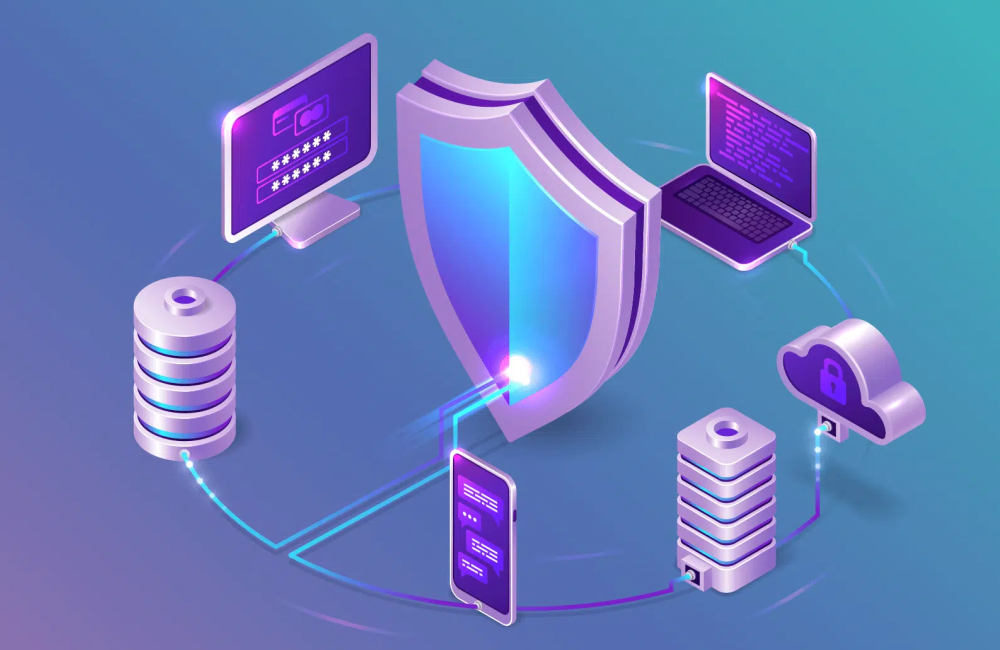
This service is tailored to uncover and address risks within your internal network. By scanning for and identifying vulnerabilities, this service plays a crucial role in preventing internal exploits by attackers. Regular internal scanning and vigilant network monitoring enable early detection of anomalous behaviors and potential security threats.
Email Security
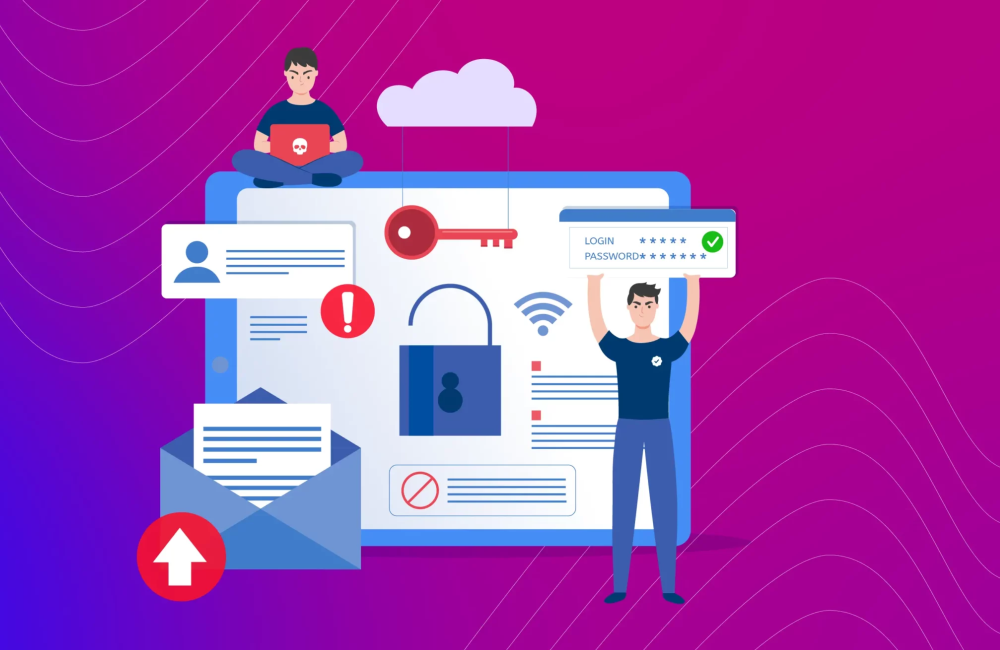
Email security is a critical frontline in the battle against cybersecurity threats. We employ next-generation email gateways and specialized tools to shield your inboxes from a spectrum of digital dangers, including phishing and spam. These vigilant solutions mitigate risks to your organization, filtering out targeted and random phishing attempts.
Phishing Tests
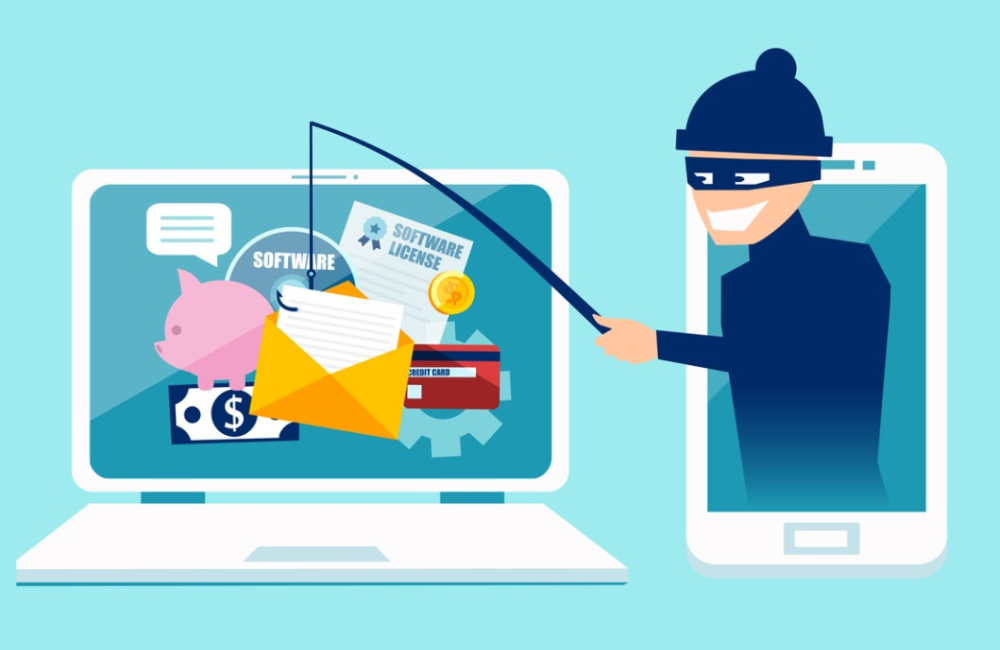
Phishing remains the most prevalent attack method in cyberspace, necessitating heightened vigilance across all organizational levels. We address this threat through strategic phishing tests, deploying ``friendly`` phishing emails to evaluate and educate your staff. This proactive approach tests their response to potential threats and reinforces their ability to recognize and avoid such attacks.
Anti-Virus & End Point Protection
In the ever-evolving sphere of cybersecurity, Anti-Virus and Endpoint Protection are crucial for safeguarding against digital threats. We recognize the need for comprehensive protection that goes beyond traditional anti-virus solutions. Our endpoint protection is a holistic security measure, effectively guarding against various threats, from malware to ransomware.
Why Choose our Cybersecurity Services
We offer unparalleled expertise and solutions tailored to the region's unique digital landscape.
Frequently asked questions
Here is a FAQ list that we hope will help you answer some of the more common cybersecurity questions.
1. What Is Cybersecurity, and Why Does It Matter?
Cybersecurity is a broad term that includes securing data and the technology systems responsible for moving, storing, and authenticating data. For businesses, cybersecurity encompasses the technology that’s in place to help keep your business safe, the people and processes that ensure your business stays safe, and the education to ensure your employees remain vigilant against potential cyberthreats.
2. Are Small Businesses at Risk for Cyberattacks?
Absolutely. Most small businesses lack dedicated IT staff or robust security protocols, making them easier targets.
Cybercriminals know this, and they often find success exploiting weak passwords, outdated systems, and untrained employees.
3. What’s One of the Biggest Cybersecurity Challenges Business Face Today?
Employee awareness. Most breaches start with a simple mistake, like clicking a phishing link or using a weak password. Hackers don’t usually “break in”—they trick someone into opening a door. That’s why Cyber Security Training is one of the most effective tools in your cybersecurity toolkit. It helps employees recognize suspicious activity before it becomes a problem.
4. Are Organizations Doing Enough To Prevent Cyberthreats?
In most cases, the simple answer is no.
Many companies underestimate how fast threats evolve. Cybersecurity isn’t a one-and-done effort. Keeping your business secure requires ongoing education, updated tools, and executive buy-in.
Especially in hybrid or remote work environments, businesses need multilayered solutions that include firewalls, endpoint detection and response (EDR), and constant monitoring.
5. What Are the Most Dangerous Cyberthreats Right Now?
Ransomware – Malicious software that locks your data and demands payment to restore it.
Phishing – Fraudulent emails that trick employees into revealing login credentials.
MFA Fatigue – After gaining access to compromised login credentials, a hacker tricks a user into granting access to an account by repeatedly sending push notifications to approve the login.
Malware – A broad cyberattack category that includes viruses, spyware, and trojans.
6. How Do Phishing Attacks Work?
Phishing attacks often start with a convincing email. A hacker might pose as a vendor, coworker, or executive and request sensitive information or ask you to click a malicious link. Once clicked, attackers can steal credentials, access networks, and spread malware.
In more advanced cases, cybercriminals will hijack email accounts and trick others within your organization. This is why email protection tools and regular employee training are crucial.